9 hr
Amritsar Full-Day Tour: Golden Temple, Jallianwala Bagh & Wagah Border
- Expert local guide
- Small group
- Skip-the-line access
- Free cancellation
Jallianwala Bagh Tickets — Free Entry to the Amritsar Memorial Garden
Where bullet-marked walls still stand, a nation remembers.
Compare fares, pick the fit — all bookings are mobile-voucher and eligible for free cancellation where shown.
9 hr
9 hr
2 hr
| Experience | Duration | Rating | Skip-the-line | Guide | Small group | Free cancel. | Price | |
|---|---|---|---|---|---|---|---|---|
|
Guided Experience
Most popular
Amritsar Full-Day Tour: Golden Temple, Jallianwala Bagh & Wagah Border
|
9 hr | ★ 4.9 | ✓ | ✓ | ✓ | ✓ | €23 | Book → |
|
Guided Experience
Amritsar Small-Group Day Tour: Golden Temple & Wagah Border Ceremony
|
9 hr | ★ 4.6 | ✓ | ✓ | ✓ | ✓ | €35 | Book → |
|
Guided Experience
Amritsar: Golden Temple & Jallianwala Bagh Guided Walking Tour
|
2 hr | ★ 4.9 | ✓ | ✓ | ✓ | ✓ | €16 | Book → |
Hand-picked experiences loved by thousands of travelers
2.5 hours
Free Cancellation
Wander Amritsar's secret lanes and forgotten courtyards with local storytellers as your guide.
3 hours
Free Cancellation
Wander Amritsar's old city lanes, bazaars and 1919/1947 landmarks with a local storyteller guide.
8 hours
Free Cancellation
A full day through Amritsar's spiritual, historic and culinary heart, ending at the electrifying Wagah Border ceremony.
4 hours
Free Cancellation
A 4-hour guided walk through Amritsar's sacred sites, history, and street food culture.
8 hours
Free Cancellation
Private full-day tour of Amritsar's Golden Temple, Jallianwala Bagh, and the Wagah Border ceremony.
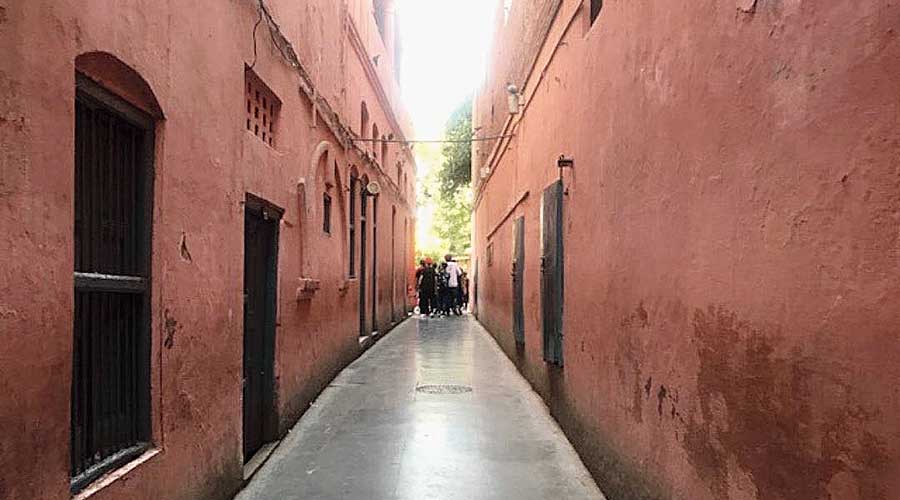
Walk the narrow original passage used as the only entry and exit during the 1919 massacre
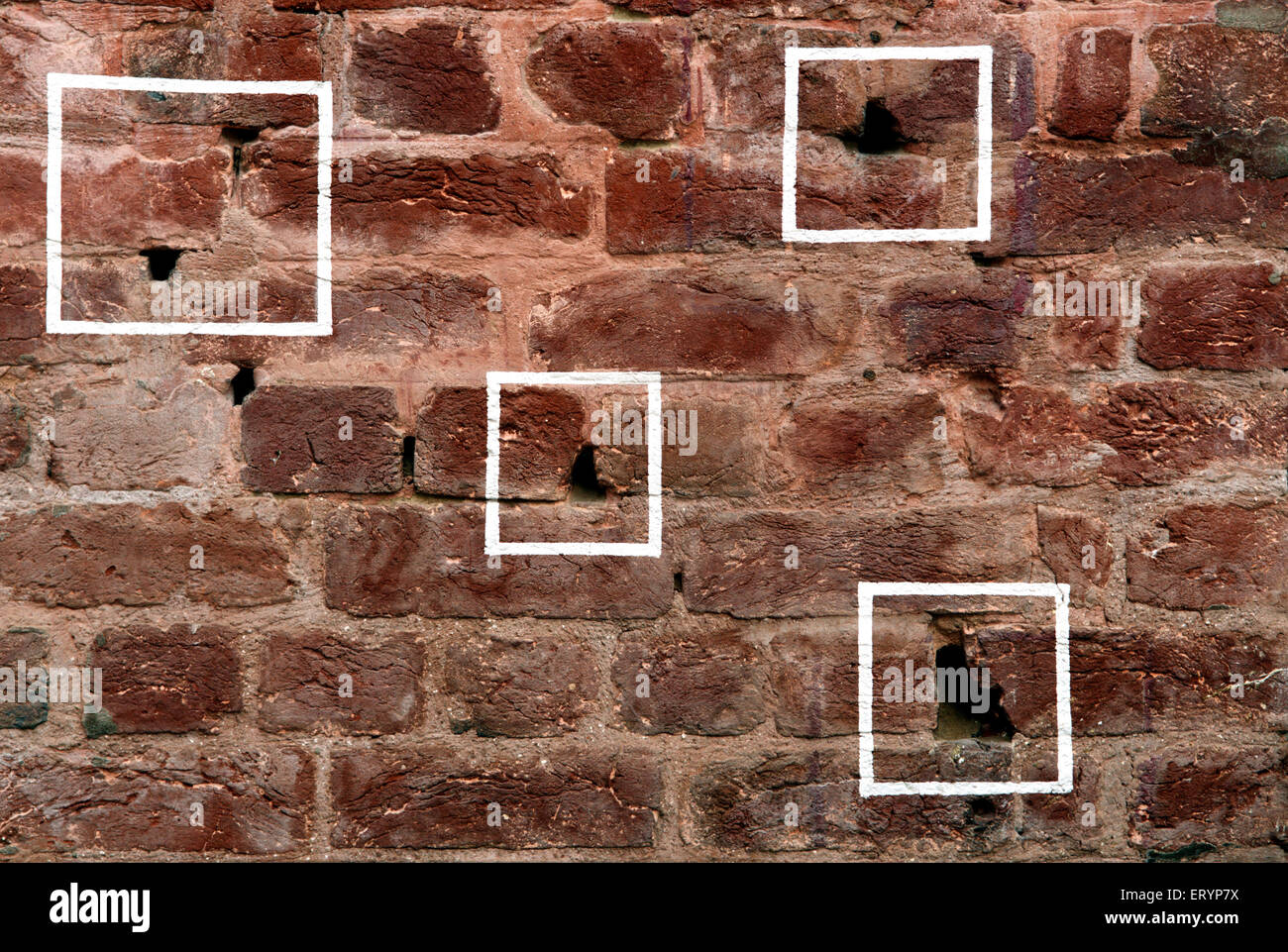
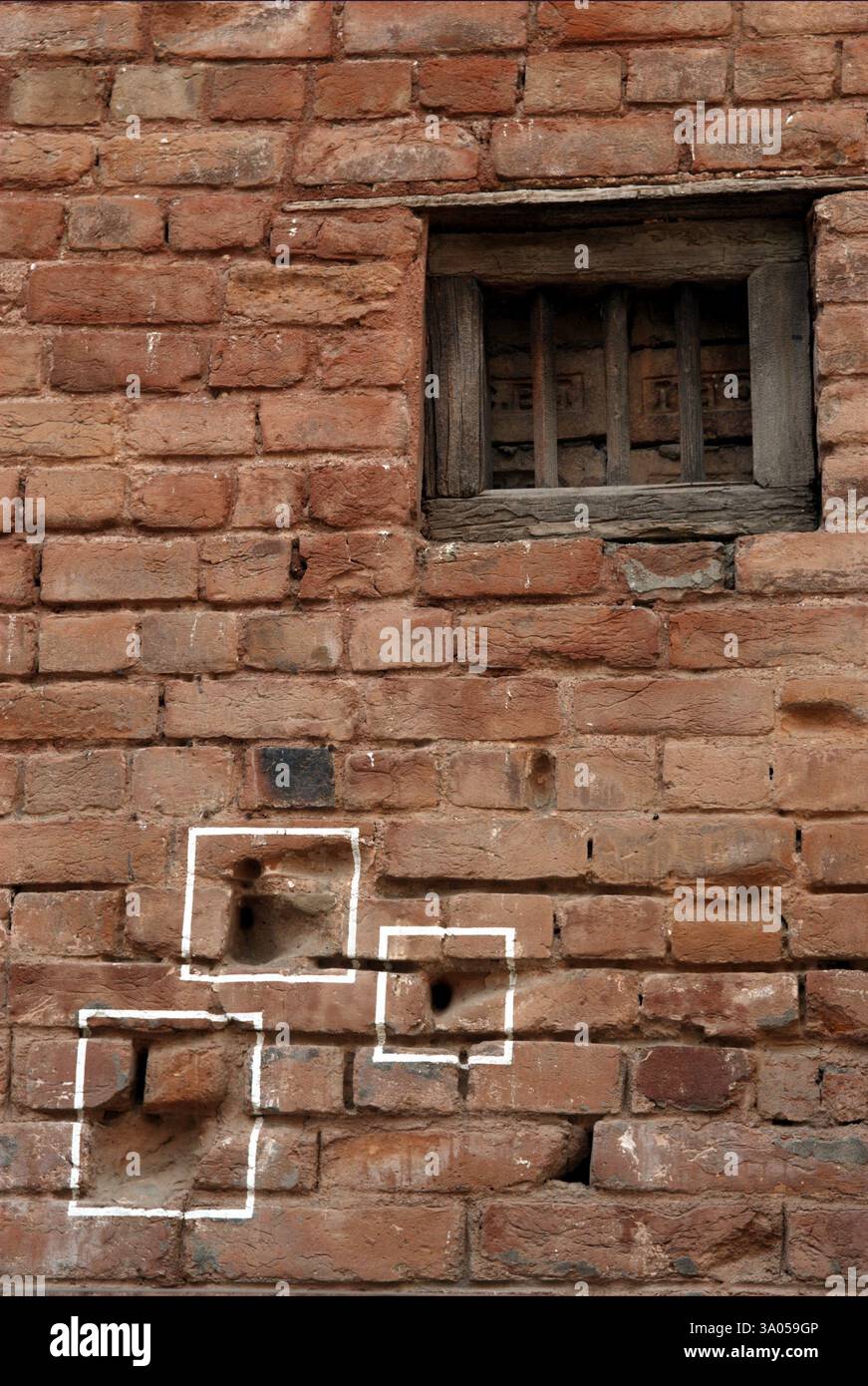
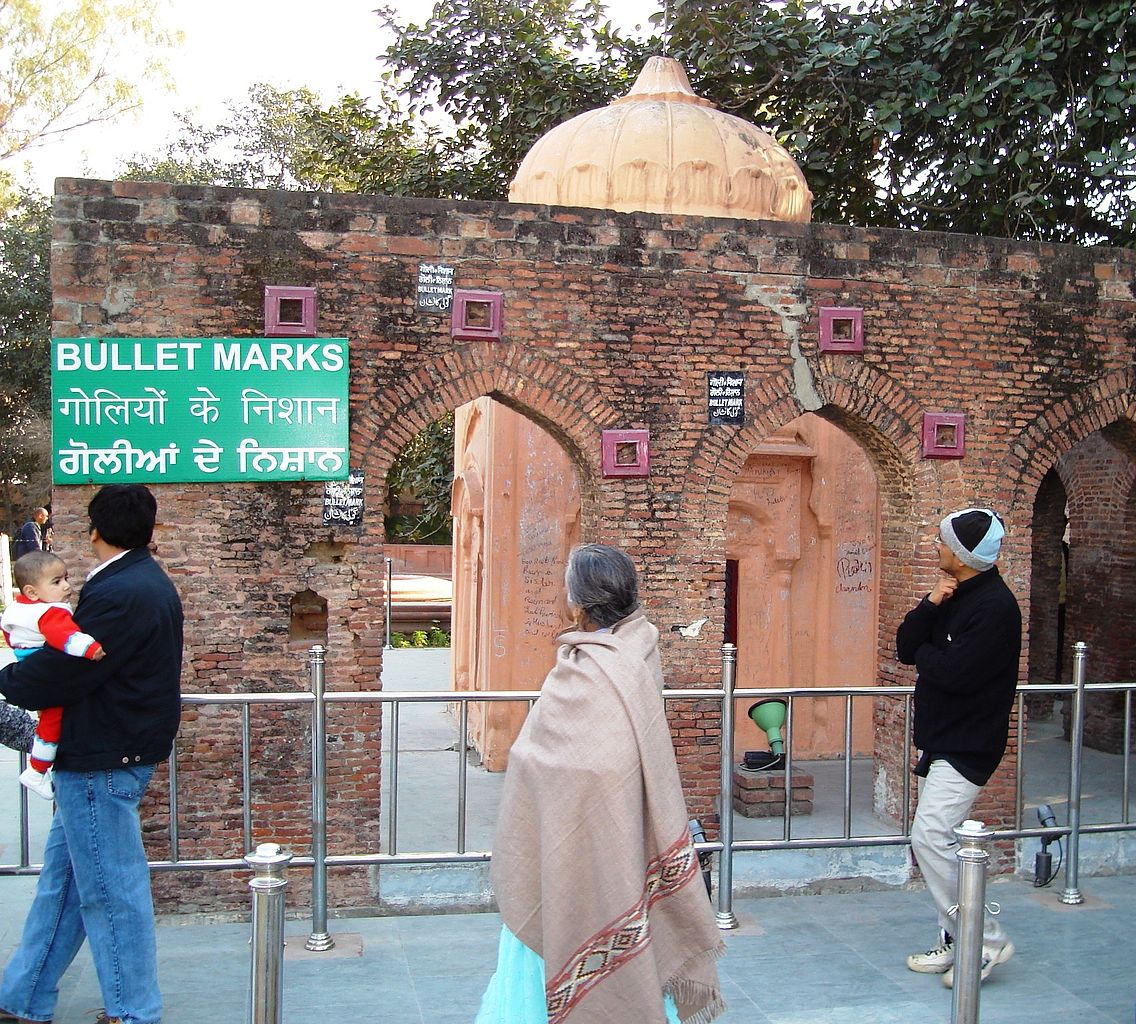
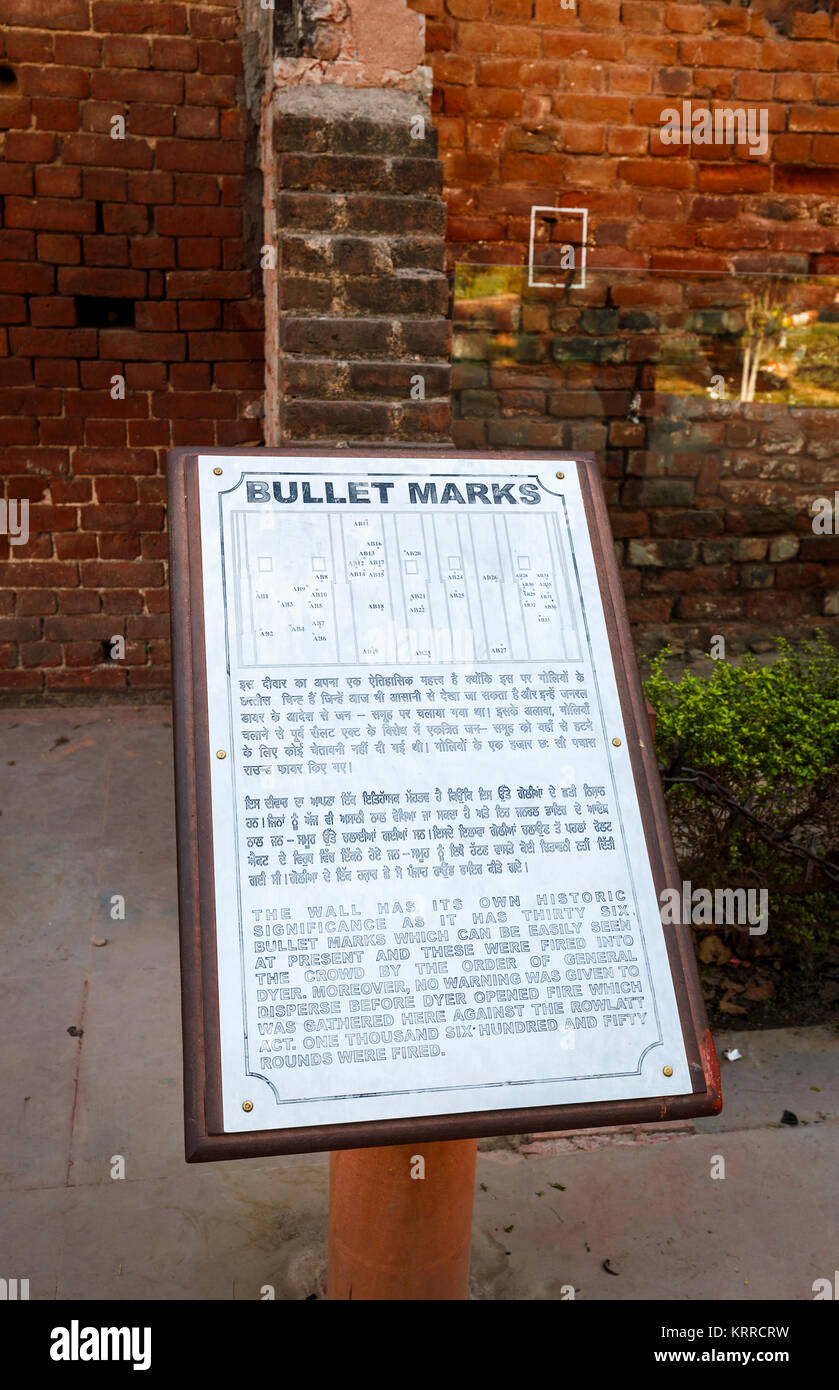
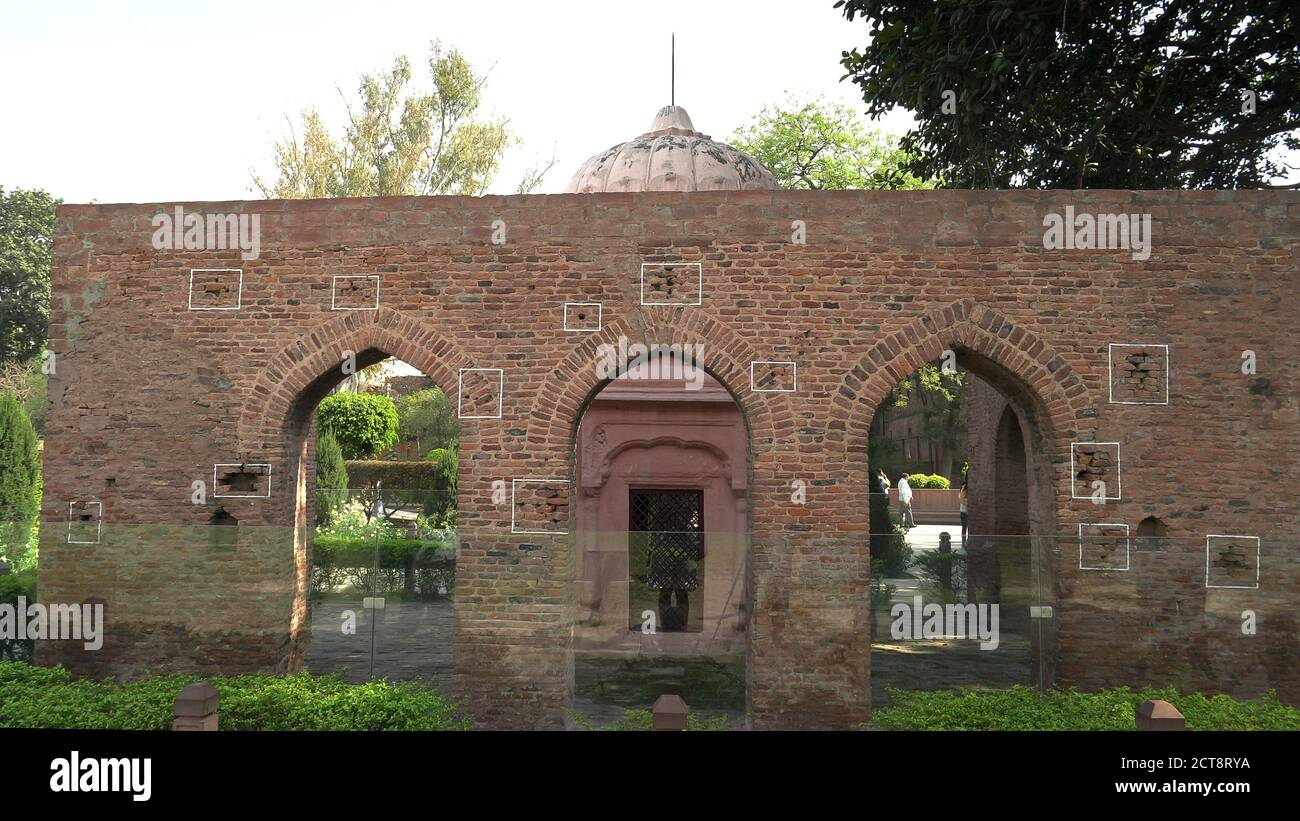
Examine the preserved brick wall showing marked bullet impact points from the shooting
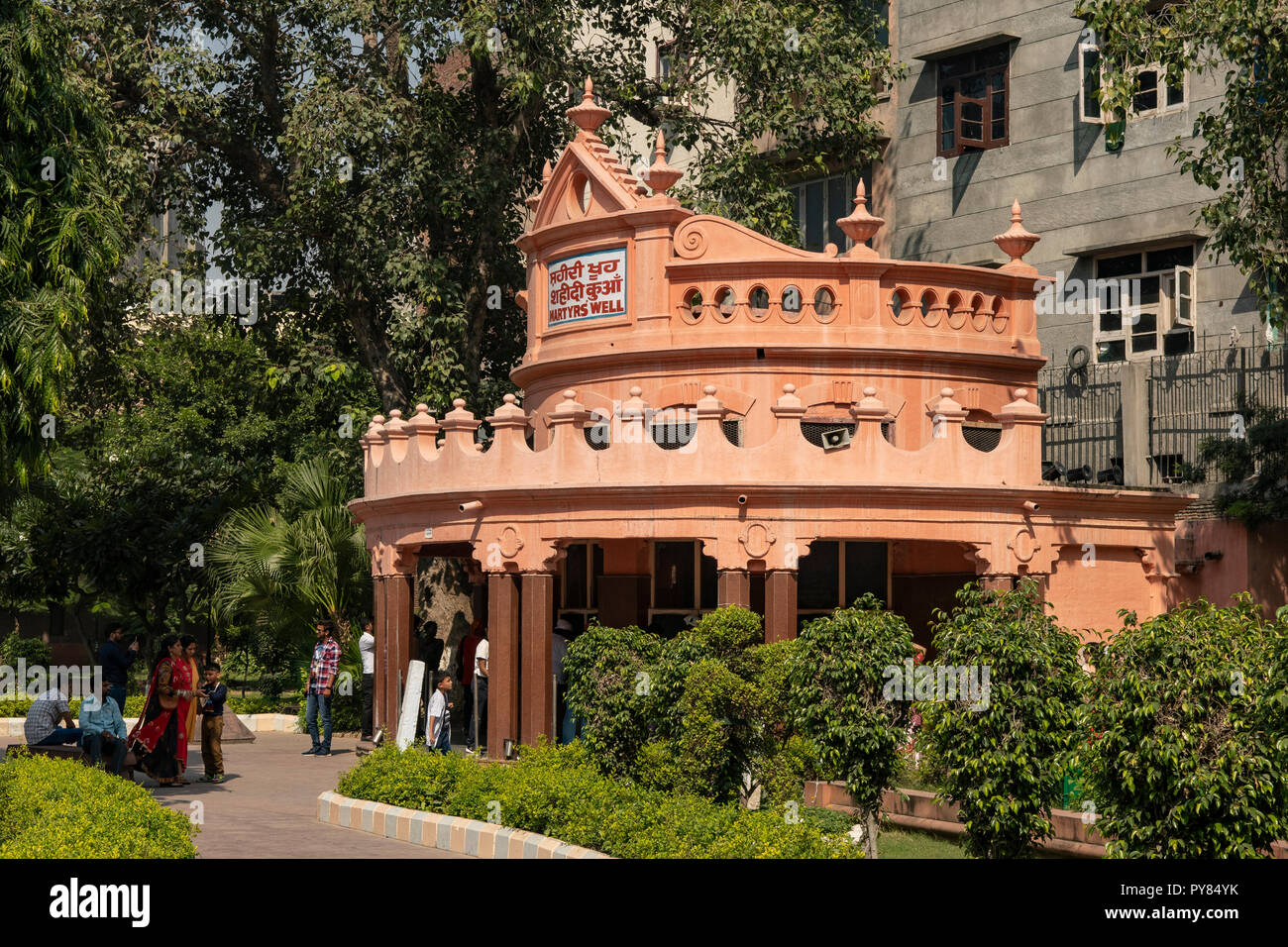
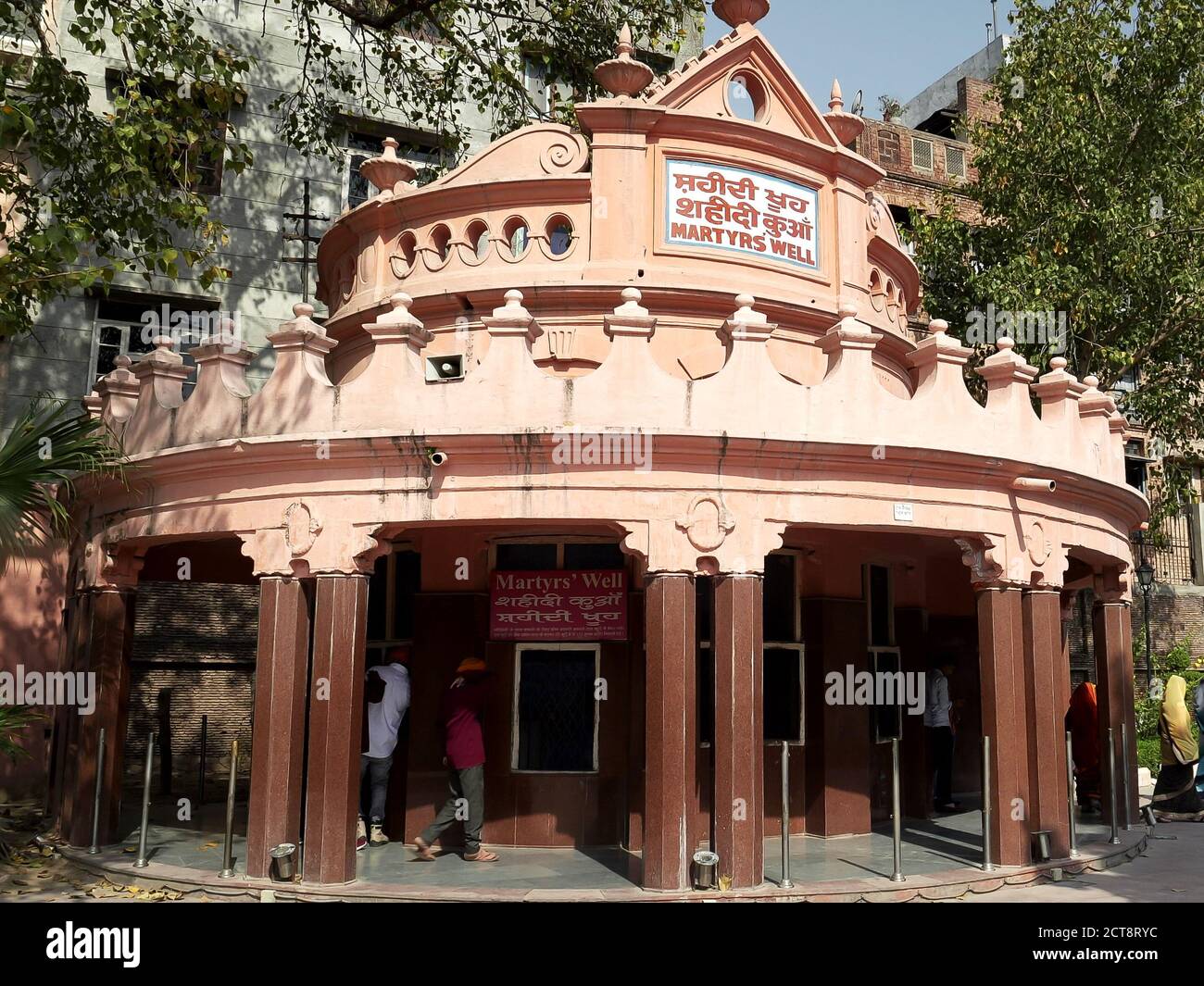
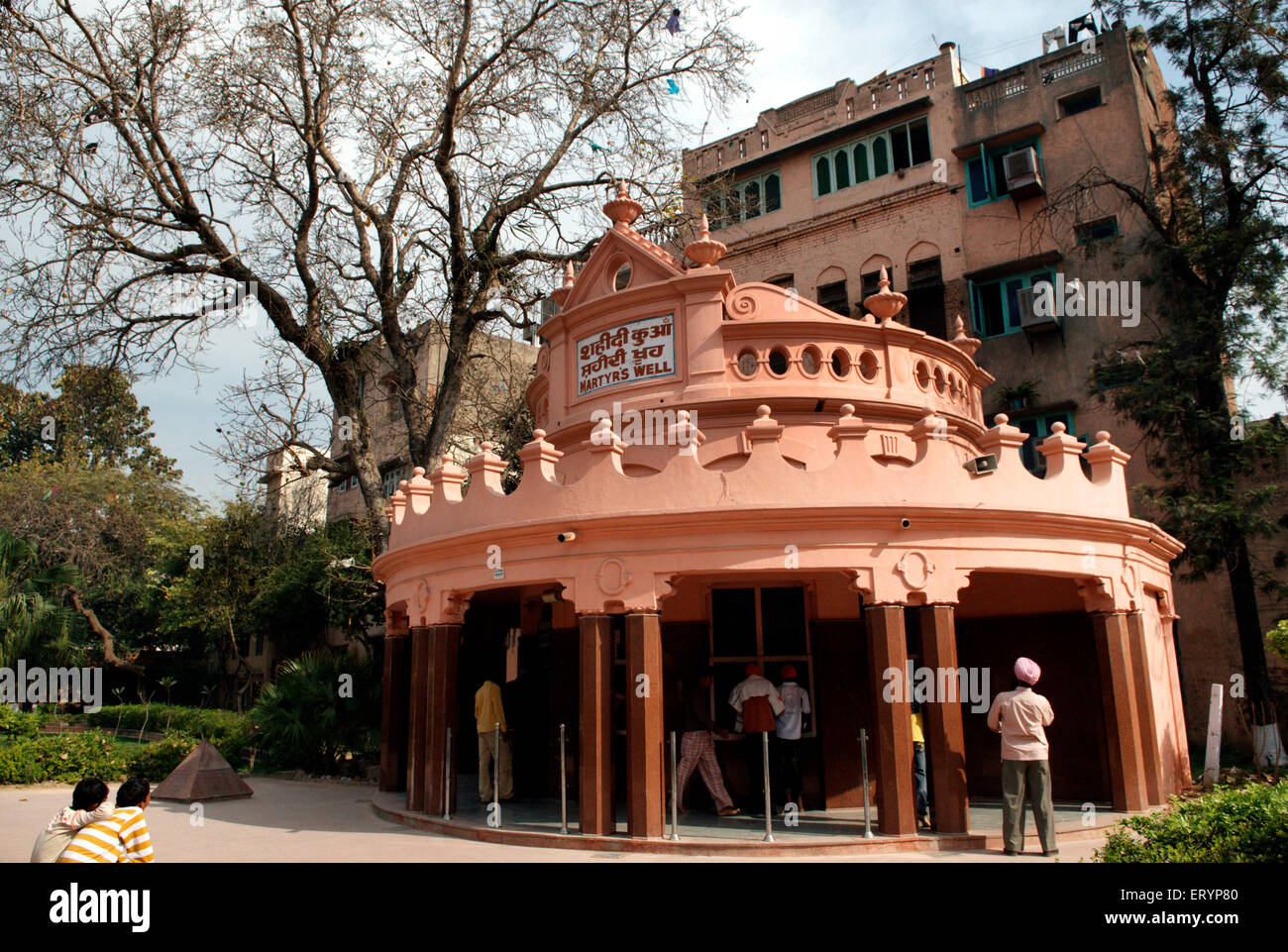
Stand at the covered well where many jumped to escape gunfire, now enclosed with a protective barrier
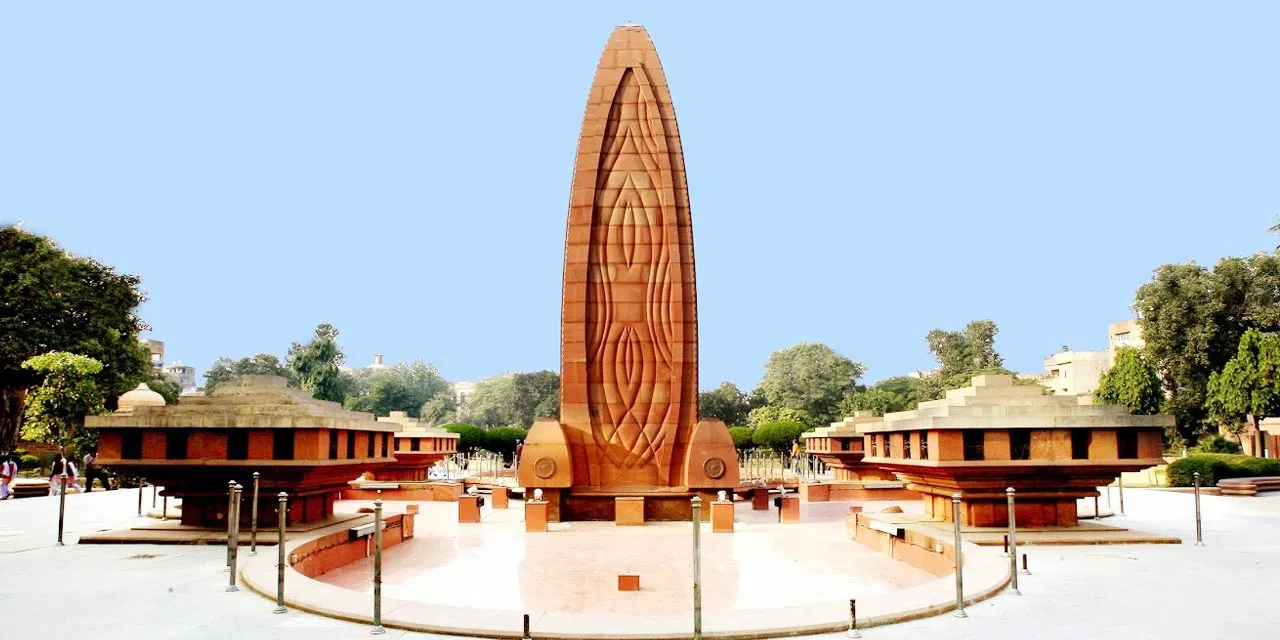
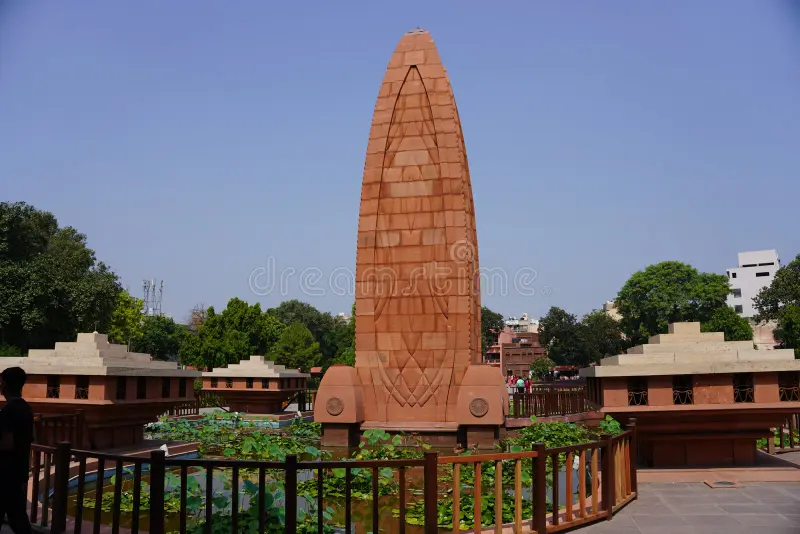
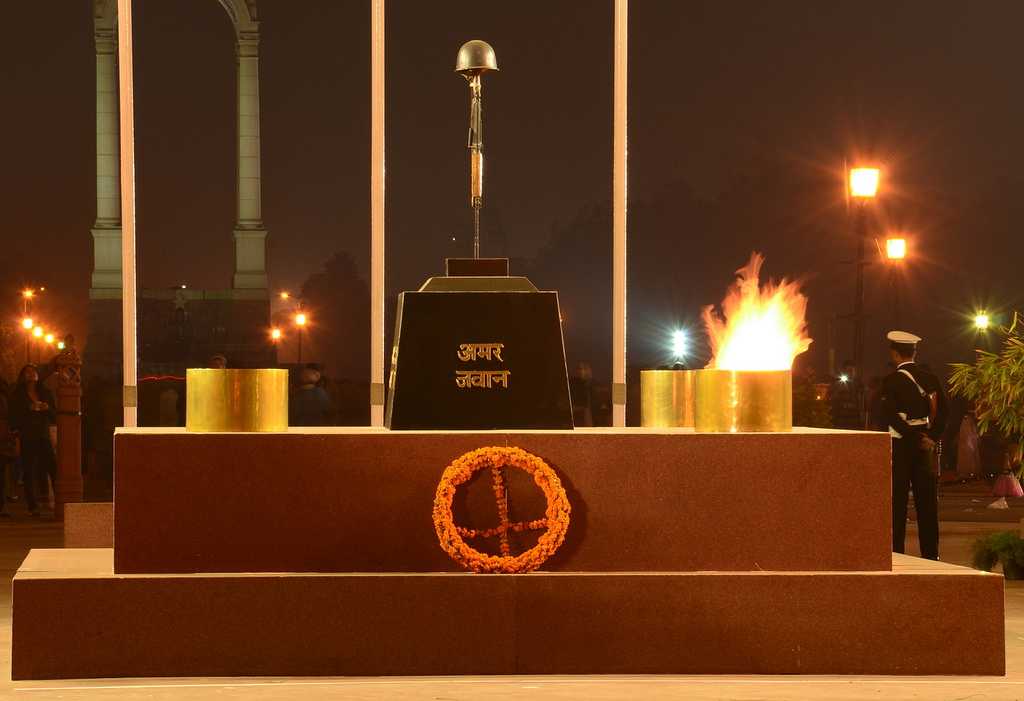
Reach the central white marble memorial with the eternal flame honoring the martyrs
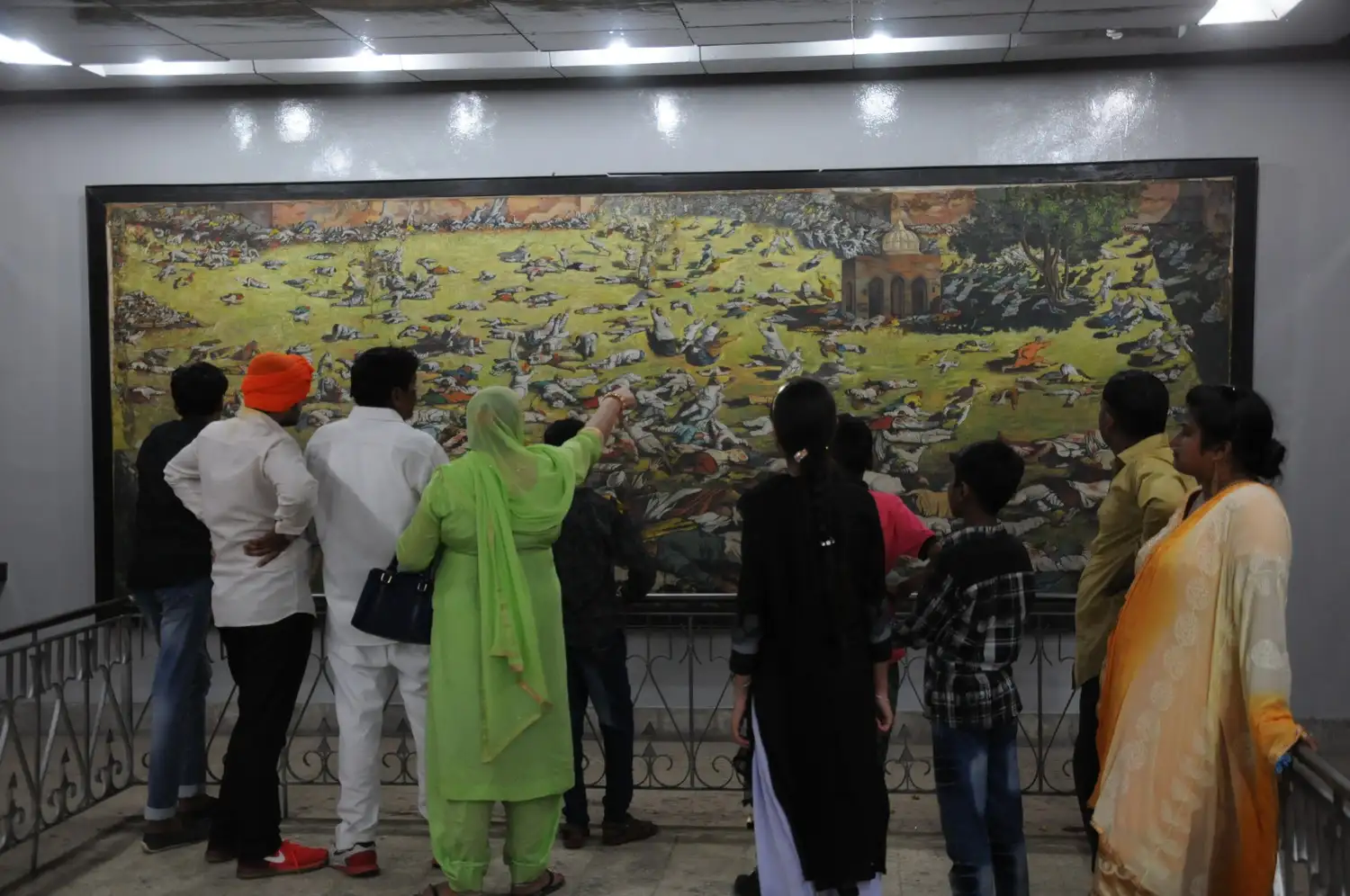
Browse photographs, documents, and artifacts on freedom fighters inside the small on-site museum
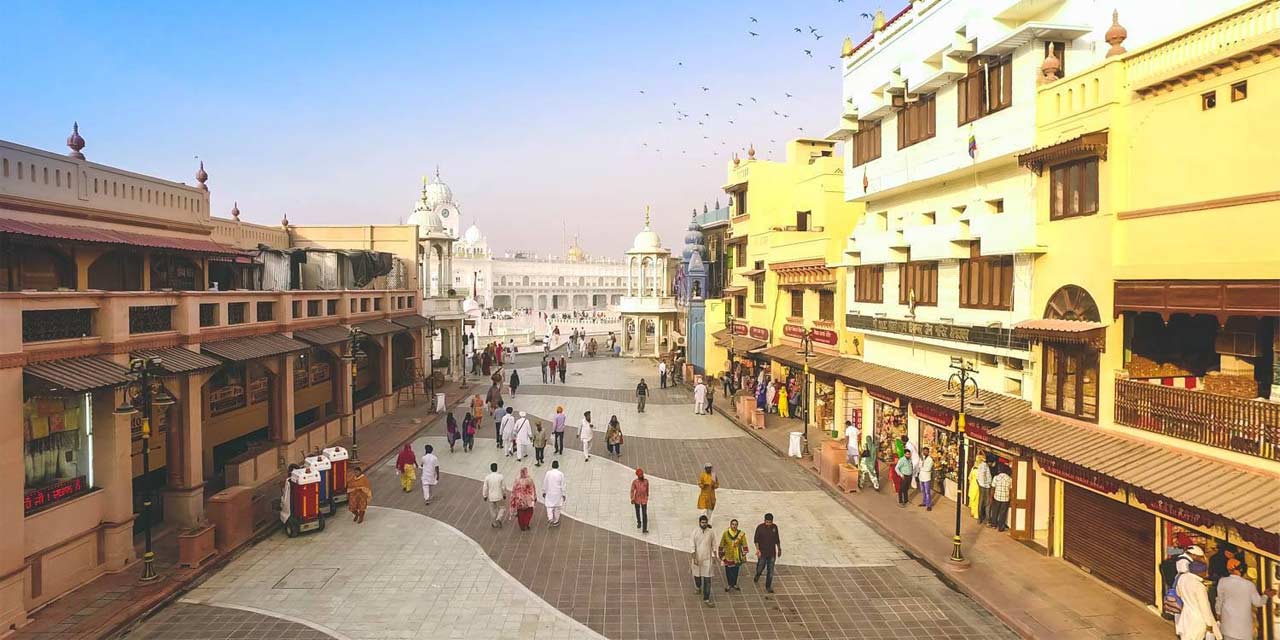
Head out through the Heritage Mile walkway toward the nearby Golden Temple complex
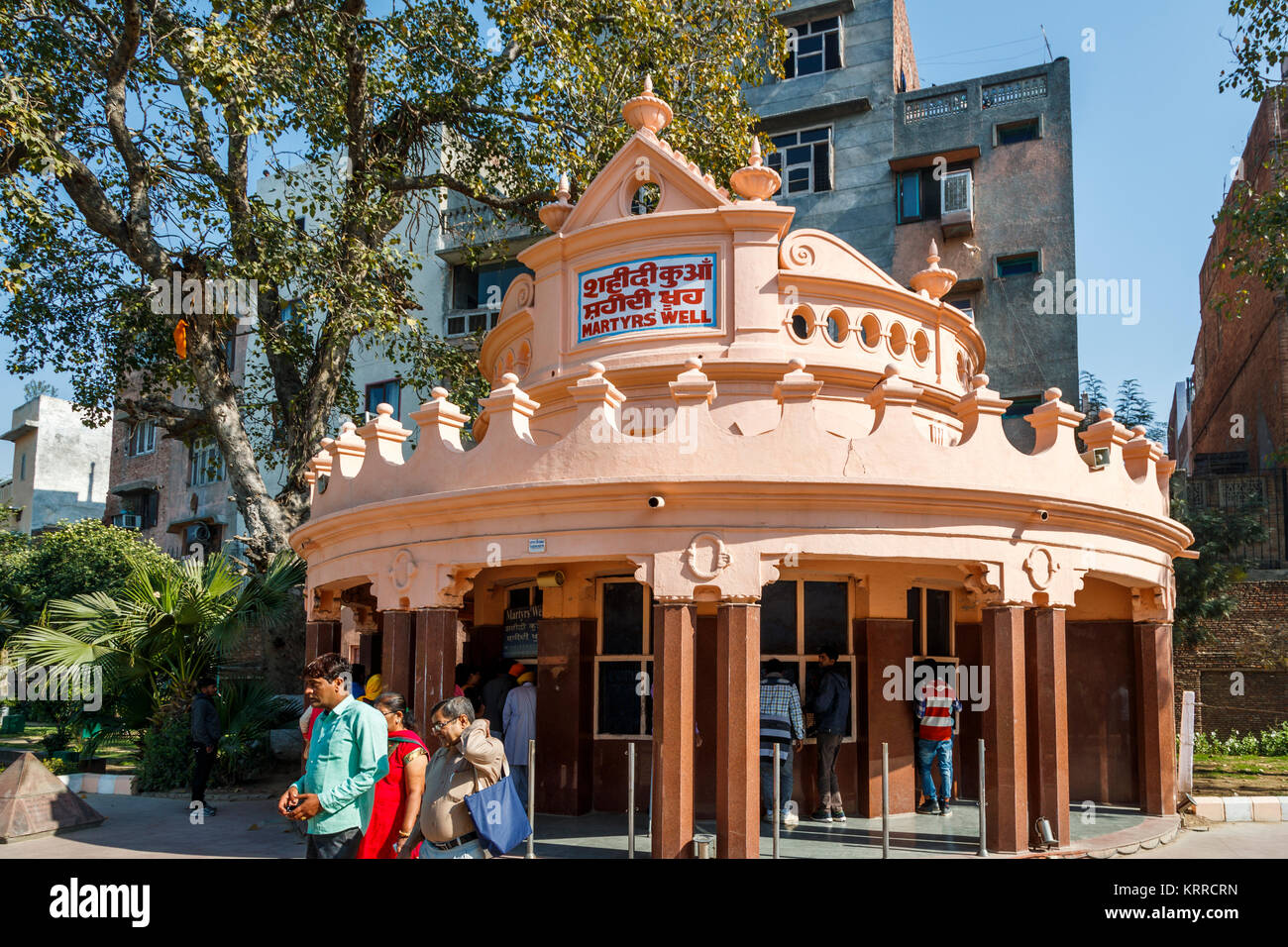
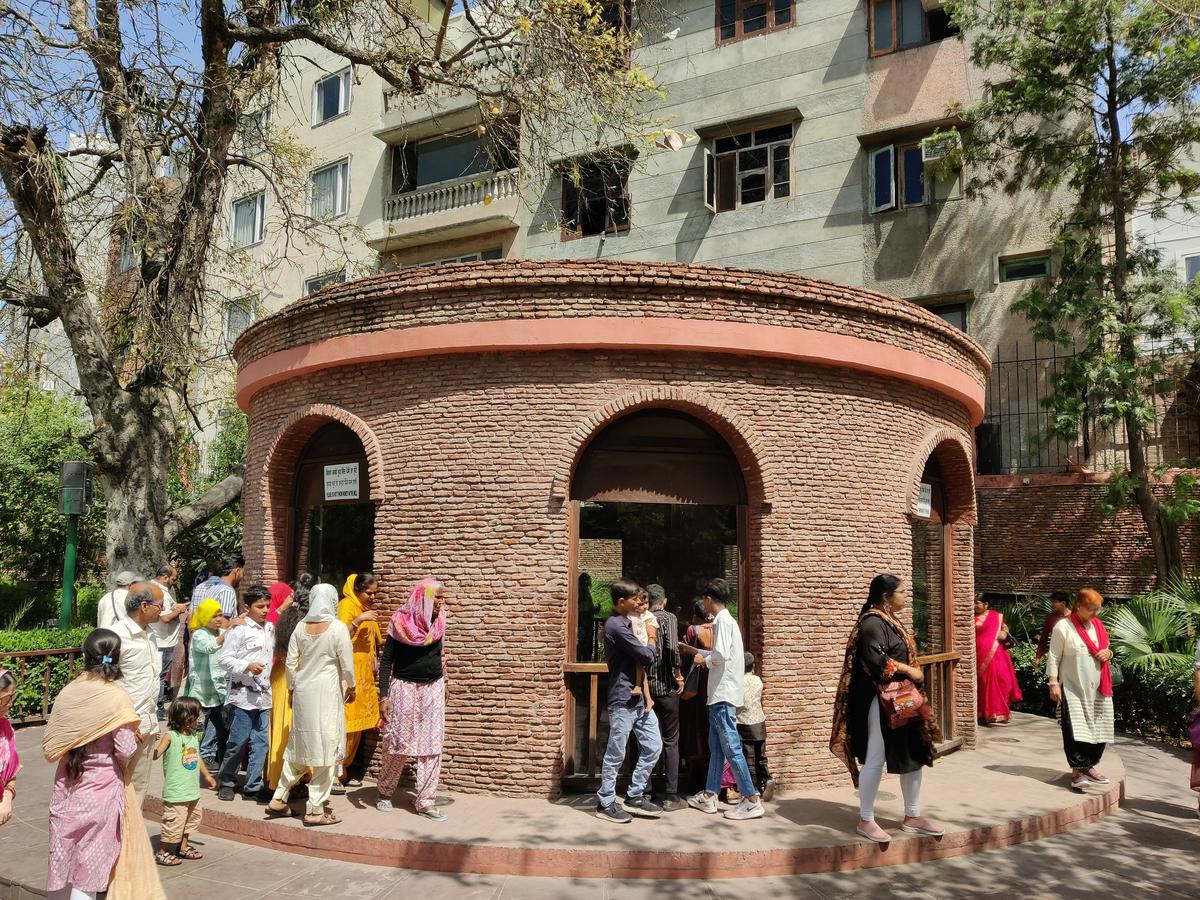
A well now covered with a transparent protective barrier, where an estimated 120 bodies were recovered after people jumped in to escape the 1919 gunfire. It remains one of the most visited and emotionally charged points inside the garden.
A preserved brick wall section displaying roughly 36 bullet impact points, each highlighted in paint to remain visible to visitors decades later. It stands near the far end of the garden along the original line of fire.
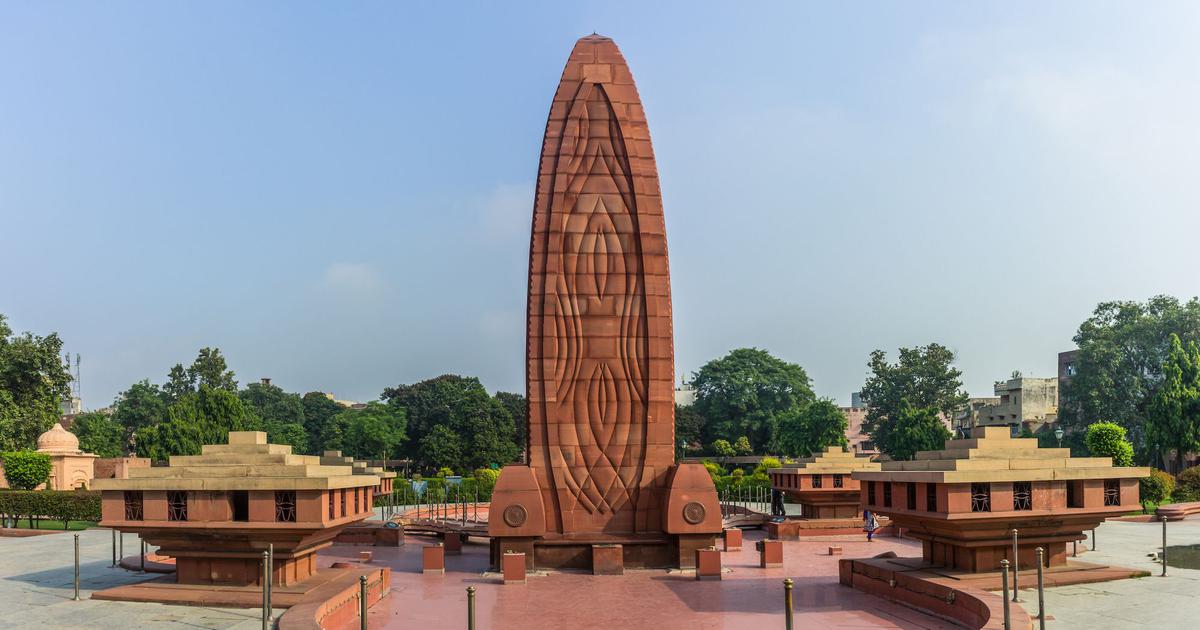
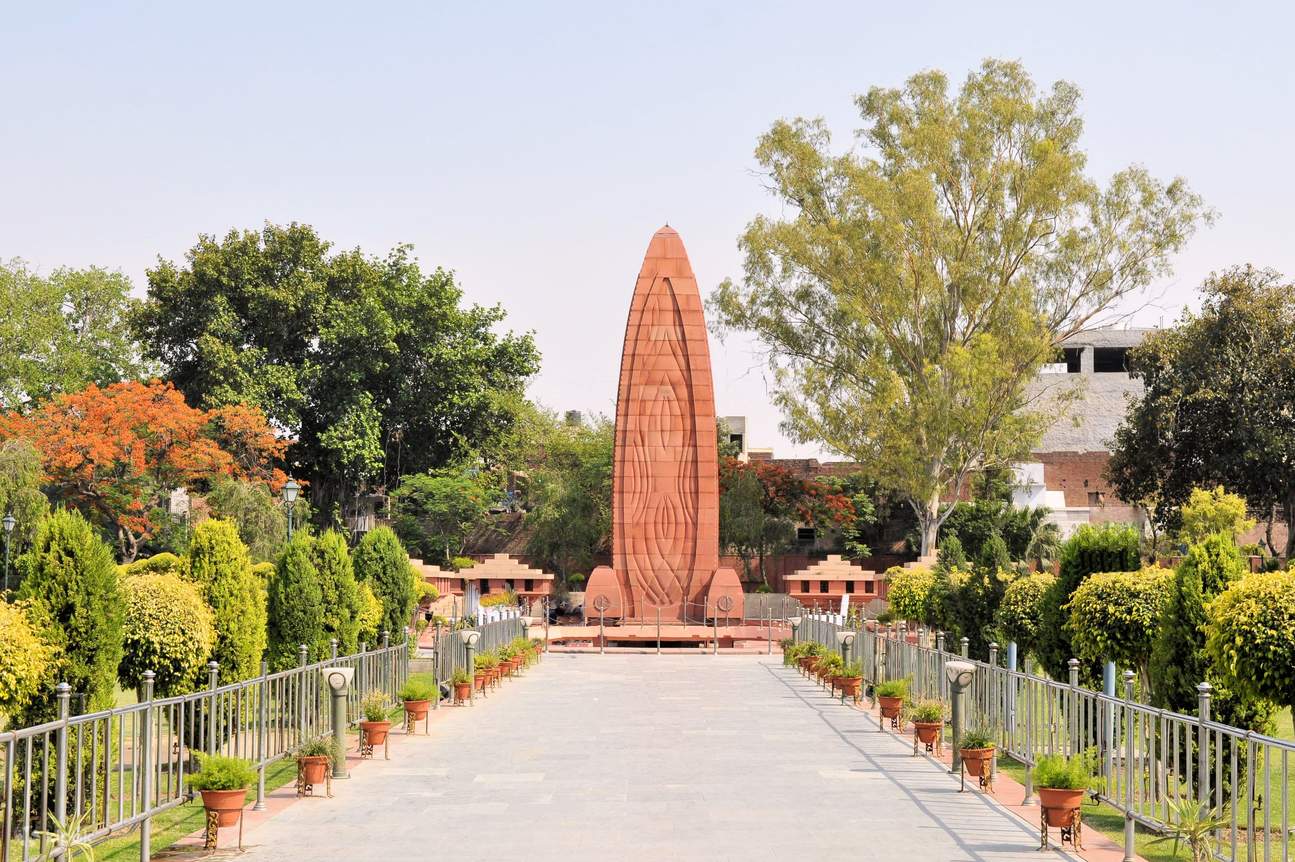
A central white marble memorial inscribed in gold, designed by American architect Benjamin Polk and inaugurated by President Rajendra Prasad on 13 April 1961. Stone lanterns at its corners bear inscriptions in Hindi, Punjabi, Urdu, and English.
A compact on-site museum housing photographs, documents, and artifacts related to the massacre and India's independence movement. It offers the deepest historical context available directly within the garden.
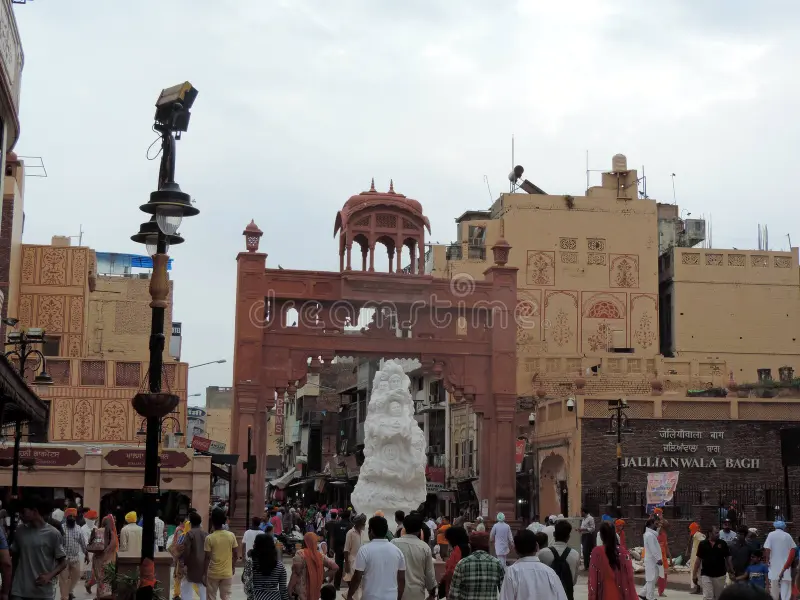
The single narrow passage used as the only entry and exit point during the 13 April 1919 massacre, when troops blocked it to prevent escape. Visitors still enter through this same historic lane today.
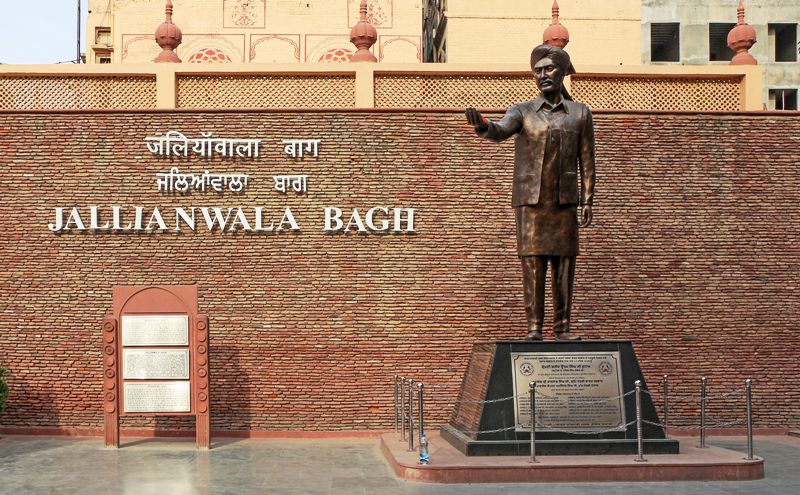
A statue commemorating the revolutionary who assassinated Michael O'Dwyer, the former Lieutenant Governor of Punjab, in 1940 in response to the massacre. It stands near the memorial grounds as a tribute to acts of resistance that followed.
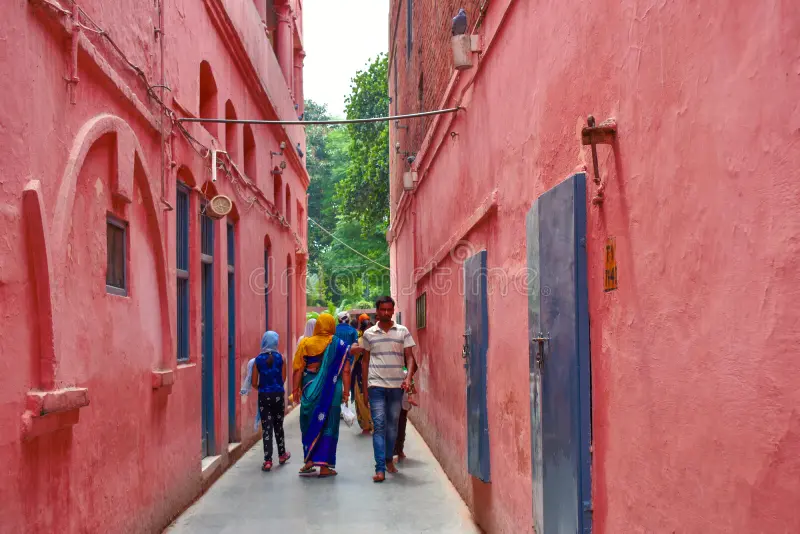
You step off Netaji Subhash Chandra Bose Marg into a narrow brick lane, the same constricted passage that once served as the garden's only real way in and out. Arriving in the 06:30–08:30 window, you trade the midday heat and the press of crowds for cool air and long shadows across the lawns.
You pause first at the reconstructed entrance corridor, then follow the sandstone path toward the central memorial pylon, its flame-shaped form rising from a shallow reflecting pool. You circle the martyrs' well beneath its domed cover and read the recovered names on the plaques nearby. Along the perimeter you slow at the preserved walls, tracing the numbered bullet marks with your eyes rather than your hands.
Moving through the sculpted galleries, you take in the light-and-sound installations added in the 2021 renovation, then find a bench in the shade to let the scale of the place settle. A jallianwala bagh tickets tour rarely needs more than an hour or two of walking here, but the site asks for stillness more than distance.
When you leave through that same tight lane, you turn toward the Golden Temple minutes away on foot, the memorial garden already reframing everything you see next. You carry out the quiet, not the noise.
All the details about your upcoming adventure in one place
Set in the heart of Amritsar, this national memorial garden preserves the Martyrs' Well, the bullet-marked walls, and the eternal Amar Jyoti flame within a walled seven-acre enclosure. Because admission is free, jallianwala bagh tickets are not required at the gate, though guided Amritsar heritage tours can add context to the narrow entry lane and the Flame of Liberty. Travelers comparing skip-the-line Golden Temple options often pair those Amritsar landmarks with a quiet walk through this ground.
Seventy-odd bullet marks remain preserved in the brickwork of a single garden wall, each one circled and numbered so that no visitor can mistake them for weathering. This is the physical grammar of Jallianwala Bagh, a walled public garden of roughly 6.
5 acres in the heart of old Amritsar, a few hundred metres from the Golden Temple. On 13 April 1919, Baisakhi day, a crowd gathered here in an enclosure with a single narrow exit; the events of that afternoon turned a modest green space into one of the most consequential sites in modern Indian history.
What the visitor encounters today is not a battlefield but a garden of memory, redesigned over the decades into lawns, red-sandstone pathways and a central flame-shaped memorial pylon completed in 1961. The Martyrs' Well, into which many are said to have leapt, sits under a domed enclosure. Ranged along the perimeter, the preserved boundary walls carry their marks like a text to be read slowly. Around all of this, Amritsar continues at full volume, and a Jallianwala bagh tickets tour that begins here often continues on foot to the nearby Partition Museum and the Harmandir Sahib complex, three Amritsar landmarks within a short walk of one another.
The garden matters now for reasons that outrun any single afternoon. It anchors a narrative of the Indian independence movement, a place where colonial policy and civilian gathering collided in full view. A 2021 renovation added light-and-sound installations, sculpted galleries and reconstructed lanes depicting the approach the crowd would have used, drawing both praise for accessibility and criticism for its aesthetic register. The debate itself is part of why the amritsar memorial garden endures as a living civic space rather than a sealed relic.
Architecturally, the site reads as a study in restraint punctuated by symbol. The eternal flame of the central memorial, the geometry of the reflecting pool, the low sandstone walls and the deliberate framing of the martyrs' well all guide attention without spectacle. Interpretive plaques carry the names recovered by later commissions, and the numbering on the walls performs a quiet forensic function. For those weighing jallianwala bagh tickets against the wider circuit of Punjab heritage sites, the garden offers something the grander monuments nearby cannot: an intimacy of scale, a walled quiet, and a directness that lingers well after the visit ends. Entry to this national memorial remains open to all who come, and the space rewards an unhurried reading.

The preserved boundary walls carry their marks like a text to be read slowly.
Modest clothing covering shoulders and knees is recommended, since Jallianwala Bagh sits within Amritsar's religious and memorial heritage quarter close to the Golden Temple. Light, breathable fabrics work best given Punjab's summer heat, and comfortable walking shoes are useful for the uneven ground near the Martyrs' Well.
Bags are subject to a security check at the single main entrance lane leading into the garden, mirroring the narrow original passage from 1919. Airport-style frisking and metal detectors are common at peak hours, so arrive a few minutes early if you're short on time.
Photography and personal videography are generally permitted across the open garden, the bullet-marked wall, and the Martyrs' Well area. Flash photography and posed selfies are discouraged inside the Martyr's Gallery museum room, which is treated as a solemn exhibition space.
Children are welcome, though the subject matter around the 1919 massacre is heavy; simplifying the explanation for younger visitors is common practice among local guides.
The main pathways, the central lawn, and the approach to the Flame of Liberty monument are wheelchair accessible with gently sloped surfaces. The narrow historical entrance lane and areas immediately around the covered Martyrs' Well have less even flooring, so slower, careful movement is advised there.
There are no cafés or food stalls inside the garden itself, since it is treated as a solemn memorial rather than a leisure park. Bottled water is fine to carry, and nearby Amritsar street-food lanes and dhabas just outside the Heritage Mile serve full meals.
Quiet, few school groups
Evening light and sound show
Busiest day, family crowds
Heavy footfall, arrive early
Daily 06:00–19:00, free entry all year
location
Opening hours
open
Getting there
City-center access via metro and bus
Accessibility
Most experiences are wheelchair-friendly — check individual tours
What to bring
Comfortable shoes, water, phone for mobile voucher
Walk · 5 minutes · Free
A 5-minute walk east from the Golden Temple along the Heritage Mile pedestrian route brings you directly to the entrance lane.
Car · 10 minutes · ₹80–150
Auto-rickshaws and taxis reach the site from Amritsar Railway Station in about 5–10 minutes, roughly 2 km away, with drop-off near the Town Hall junction.
Public transport · 15–20 minutes · ₹10–30
City buses and shared autos running along Golden Temple Road stop within a few minutes' walk of the entrance lane.
Taxi · 20–30 minutes · ₹300–500
Ride-hailing apps and pre-paid taxi counters at Sri Guru Ram Dass Jee International Airport cover the roughly 12 km route in about 20–30 minutes depending on traffic.
Since entry to Jallianwala Bagh is free (0 INR), there is no ticket to cancel or refund for the memorial itself. If you've booked a guided walking tour that includes the site, refund terms follow that operator's own policy, typically full refund for cancellations made at least 24 hours before the scheduled start.
Recommended time
45-90 minutes
Most visitors need 45 to 90 minutes to walk the bullet-marked wall, the Martyrs' Well, the gallery, and the eternal flame at a respectful pace; add extra time if you're combining jallianwala bagh tickets with a Golden Temple stop nearby, or trim toward the lower end on a quick pass-through. Arriving inside the 06:30-08:30 window keeps the narrow entrance passage and courtyard clear, since that's before tour buses and school groups converge on the site. There's no ticket counter queue given free entry, but foot traffic bottlenecks at the entry lane and near the well during late-morning and weekend peaks. Evenings bring a second, gentler wave as the lamps around the cenotaph are lit.
Crowd levels through the day
Weather · crowds · average price — dots go green to amber to red as each metric rises.
Daytime temperatures sit around 10–20°C, making this the most comfortable season to walk the open lawns and read the historical plaques without heat fatigue.
Temperatures regularly exceed 38°C with little shade across the garden, so visits are far more comfortable in the early morning hours before the heat builds.
Heavy rain showers are common through July and August, and the open pathways can turn slippery, so checking the forecast before setting out helps.
Mild weather and the Baisakhi and Independence Day periods bring larger domestic crowds, particularly around the mid-April massacre anniversary.
The garden has one main public entrance and exit, the same narrow passage used in 1919; expect a security check here during busier hours.
Since the two sites sit about a 5-minute walk apart, most visitors pair a Jallianwala Bagh visit with the Golden Temple and Partition Museum along the Heritage Mile.
A seasonal light and sound show narrates the 1919 events in separate Hindi and English screenings; confirm the day's slot locally since timing shifts with the season.
There's no ATM inside the garden, so keep small notes handy for auto-rickshaws, water, or snacks from stalls just outside.
Flash photography and posed selfies are discouraged inside the small on-site museum room out of respect for the exhibits.
The ground near the Martyrs' Well and older sections of the garden is uneven in spots, so sturdy footwear helps.
Monsoon season brings sudden downpours; a compact umbrella or rain cover is worth carrying between June and September.
Netaji Subhash Chandra Bose Marg, Jallianwala Bagh, Amritsar, Punjab 143001
Single public entry/exit point with security check
Get directions
Between Golden Temple and Town Hall, Amritsar
Common gathering point for guided walking tours covering multiple sites
Get directionsOn 13 April 1919, thousands gathered in an enclosed garden in Amritsar to mark Baisakhi. Many were pilgrims and villagers, unaware that a public assembly ban was in force. Colonel Reginald Dyer arrived with roughly fifty riflemen. Without warning, he ordered them to fire on the trapped crowd. The shooting continued for around ten minutes. The single narrow exit was blocked. Official British figures counted 379 dead; Indian estimates ran far higher. A stone well within the grounds became a grave for those who leapt to escape the bullets. Any visitor searching for jallianwala bagh tickets should know entry is free, honouring the memory of the fallen. The massacre reshaped the independence movement. Rabindranath Tagore renounced his British knighthood in 1919 in protest. The Hunter Commission, convened later that year, censured Dyer, who was relieved of command but never criminally tried. Winston Churchill called the killing "monstrous" in the House of Commons in 1920. Mohandas Gandhi launched the Non-Cooperation Movement in the aftermath. The garden ceased to be an ordinary maidan; it became a national wound. A guided amritsar heritage walk today still traces the bullet-scarred wall. The drive to memorialise began soon after. A memorial trust was formed in 1920 to raise funds and acquire the land, an early chapter in the story of jallianwala bagh tickets tours. The site passed formally into national custody through the Jallianwala Bagh National Memorial Act of 1951. The American architect Benjamin Polk designed the central Flame of Liberty pylon, unveiled by President Rajendra Prasad in 1961. The preserved Martyrs' Well and the bullet marks embedded in brickwork remain the most direct witnesses. A later renovation, completed in 2021, added galleries and a redesigned entrance corridor, drawing both praise and criticism from historians who feared the sombre character was being softened. Today the garden anchors Amritsar's landmarks alongside the Golden Temple nearby. Visitors on a jallianwala bagh tickets tour move through the memorial in reverent silence. The free jallianwala bagh tickets tickets policy ensures the site stays open to all, from schoolchildren to foreign travellers. More than a century on, the enclosed garden endures as a fixed point in India's freedom narrative, its walls still carrying the marks of that April afternoon.
On 13 April, Dyer's troops fired on a Baisakhi crowd, killing at least 379.
Rabindranath Tagore renounced his knighthood in protest at the killings.
A memorial trust formed to acquire the land and honour the dead.
The Jallianwala Bagh National Memorial Act placed the site in national custody.
President Rajendra Prasad unveiled Benjamin Polk's Flame of Liberty pylon.
A major renovation added galleries and a redesigned entrance corridor.
The red-brick wall at the far end of the garden carries thirty-six white-ringed bullet scars behind protective glass, the most photographed relic in the park. Stand directly opposite the marked panel with the explanatory plaque in frame, and check the panel's exact restoration status before your Amritsar landmarks tour since renovation work continues through 2027.
This domed shrine-like structure encloses the well where many fleeing the gunfire fell; a wire mesh lets you look straight down into the shaft. Shoot from the front archway to capture the dome and inscription together, and keep the angle respectful rather than a close crop into the well itself.
The eternal flame memorial sits under a domed meditation canopy at the garden's central axis, inscribed with Vande Mataram, and reads as the visual anchor of any jallianwala bagh tickets visit. Frame it straight-on from the paved approach so the dome, flame, and reflecting pool align in one shot.
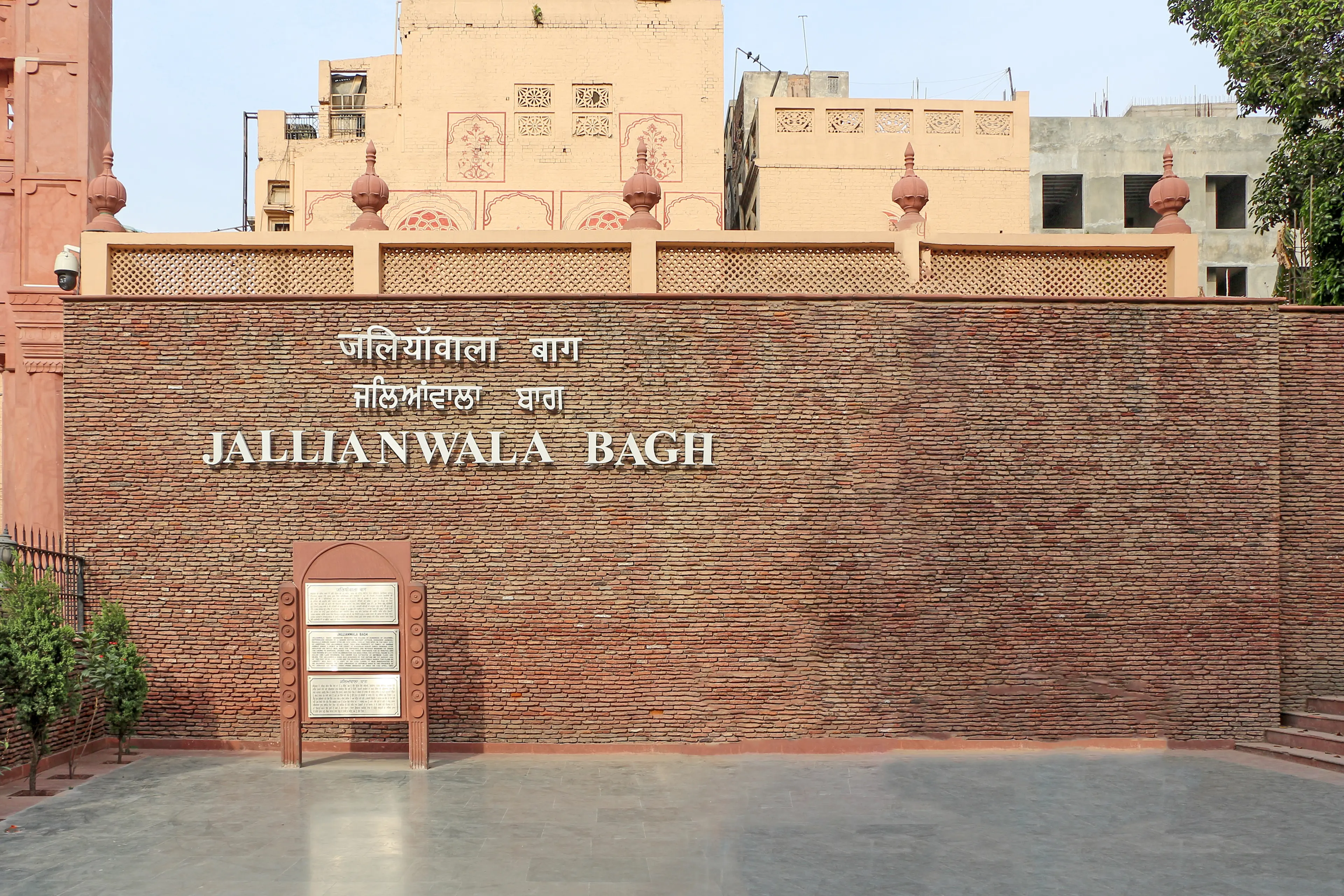
The gallery building's facade and entrance steps make a clean establishing shot before heading inside to the exhibits, useful for anyone documenting a jallianwala bagh tickets tour of the grounds. Shoot from across the lawn to include the signage and full frontage without crowding the doorway.
The open lawn gives a wide view back toward the central pillar and surrounding walls, useful for a single frame that shows the garden's scale. Stand near the pathway edge rather than on the grass to keep the sightline clear.
Kids handle Jallianwala Bagh well since the paths are flat and paved, though the emotional weight of the Martyrs' Gallery needs pacing for younger children, and this is one stop where jallianwala bagh tickets cost nothing so you can budget more time. Even a quick amritsar landmarks tour benefits from planning around shade and rest breaks with little ones in tow.
The main garden paths are flat, paved, and wide enough for a stroller or pram, with ramps at the entrance easing the transition from the street. Bumps only appear near the narrow lanes leading in, so fold-and-carry for a few meters if needed.
Children around 7 and up get more from the exhibits and gallery walls than toddlers, who mostly experience it as a shaded lawn to walk through. For younger kids, treat it as a short, calm stroll rather than a history lesson.
Washrooms are maintained on-site and benches are scattered throughout the grounds for nursing breaks or a tired toddler to rest. There is no dedicated baby-change room, so bring a portable mat for diaper changes.
Skip the bullet-marked walls and the well memorial with very young kids, since the imagery and crowd density there can overwhelm them, and linger instead on the open lawn areas. Fifteen to twenty minutes is usually enough before children lose interest.
Much of the garden is open lawn with limited tree cover, so midday sun is intense for young children and grandparents alike. Hats, water, and a shaded bench break every ten minutes help avoid overheating.
Paved paths drain reasonably well but can get slick, so keep toddlers off the raised well edges in wet weather. The nearby Partition Museum is an easy indoor fallback if a downpour cuts the visit short.
Real experiences from real travelers
Walking through the narrow lane into the garden gave me chills before I even reached the lawns. There is no charge to enter, so grabbing jallianwala bagh tickets isn't a worry — the experience itself is what stays with you. Late afternoon light on the red pylon was quietly beautiful.
We visited right after the Golden Temple since they sit so close together. The bullet marks in the wall are preserved behind glass and hit harder than any book. A slow, respectful walk around the Amritsar memorial park is time well spent.
It gets busy in the evenings and the pathways can feel tight. Still, the sound-and-light framing and the well enclosure make it memorable. If you're comparing jallianwala bagh tickets tours online, note that entry is free and most paid options are just guided walks.
Arrived just after opening in the summer heat and had the lawns almost to myself. The Flame of Liberty monument against the clear sky photographs well early. A guided jallianwala bagh tickets tour helped me understand the 1919 events far better than the signage alone.
My grandfather spoke of this place, so standing by the Martyrs' Well was deeply personal. The garden is well maintained and the memorial plaques are readable in English and Hindi. Among Amritsar landmarks this one asks you to slow down.
A five-minute walk from the Golden Temple complex makes this easy to pair. We didn't need any jallianwala bagh tickets tickets at the gate since admission is free, which surprised our guide's newer clients. The narrow entry corridor really conveys how trapped the crowd was.
The martyrs' gallery and the preserved wall tell the story without melodrama. Winter afternoon light made the sandstone glow. Booking an Amritsar heritage tour that includes this stop gave us useful context we'd have missed alone.
Midday sun is brutal and there's limited shade on the open lawns. The eternal flame and the well are the emotional core of the visit. Skip-the-line Jallianwala Bagh access isn't really needed since queues are short and there's no fee.
Reading the names near the well while the evening call to prayer drifted over from nearby was something I won't forget the feeling of. The memorial is compact but every corner carries weight. Easy to reach on foot from most old-city hotels.
Standing where the massacre happened changes how you read the plaques. The garden was green even in late summer and the pylon catches golden hour beautifully. Highly recommend combining it with a broader Amritsar walking route.
Everything you need to know for your journey
No advance booking is required for jallianwala bagh tickets because entry to the memorial garden is free of charge for all visitors, every day of the week. If you book a paid guided walking tour that includes the site, that reservation is handled separately by the tour operator.
Jallianwala Bagh is open daily from 06:00 to 19:00, with the same hours held throughout the week including weekends. A seasonal evening light and sound show adds an additional after-dark program on select days.
There is no entrance fee at all — Jallianwala Bagh operates on free entry (0 INR), making it one of the more accessible historical sites in Amritsar for any jallianwala bagh tickets tour. Only optional add-ons like guided tours or the evening show, where applicable, may carry separate operator fees.
A bag check and light security screening take place at the single main entrance lane, the same narrow passage used during the 1919 massacre. Arriving a few minutes early helps during peak morning and weekend hours.
Photography is allowed across the open garden, the bullet-marked wall, and the area around the Martyrs' Well. Flash photography and posed selfies are discouraged inside the Martyr's Gallery museum room out of respect for the exhibits.
The best arrival window for a jallianwala bagh tickets tour is 06:30 to 08:30, when temperatures are cooler and crowds are noticeably thinner than the midday and weekend rush. Winter months (November to February) also bring more comfortable weather for walking the open lawns.
Modest clothing covering shoulders and knees is recommended given the memorial's proximity to the Golden Temple and its status as a solemn heritage site. Lightweight fabrics and comfortable shoes work well in Amritsar's climate.
There are no food stalls inside Jallianwala Bagh itself, since it functions as a memorial rather than a leisure park, but water and light snacks are easy to find at stalls just outside the entrance lane.
Jallianwala Bagh sits about a 5-minute walk east of the Golden Temple along Amritsar's Heritage Mile, making a Golden Temple Amritsar tour and a visit here easy to combine on foot. Taxis from Amritsar Railway Station take roughly 5-10 minutes covering about 2 km.
Yes, children are welcome on any jallianwala bagh tickets visit, though the massacre's history is heavy subject matter; many families choose to keep explanations simple and age-appropriate for younger kids.
Since the memorial itself has free entry, there's nothing to refund for the site visit; any paid guided tour that includes Jallianwala Bagh follows that specific operator's cancellation window, typically a full refund up to 24 hours before departure.
The Golden Temple, Partition Museum, and Hall Bazaar all sit within a 5 to 15 minute walk, making it easy to build a half-day Amritsar landmarks itinerary around a single jallianwala bagh tickets stop.
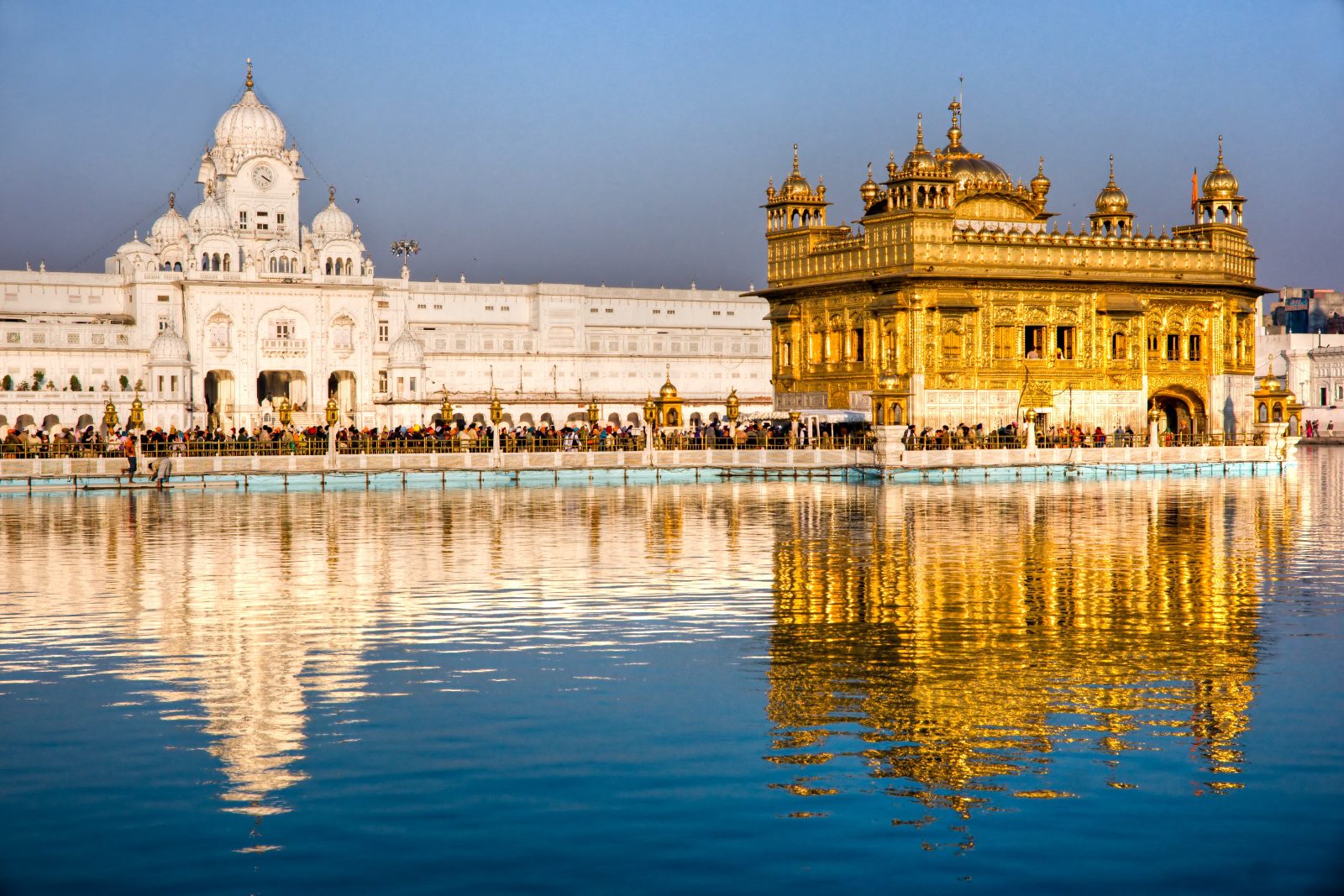
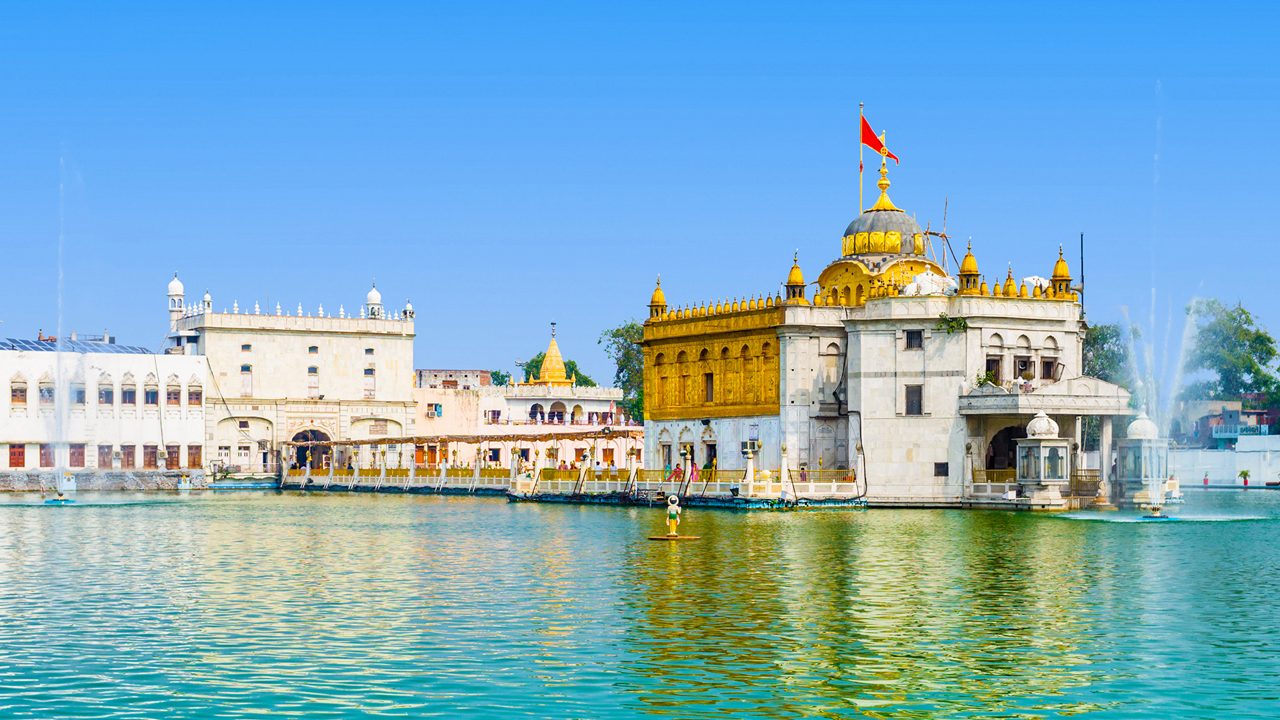
Harmandir Sahib, the holiest gurdwara of Sikhism, sits a short walk west with its gold-plated sanctum and communal langar kitchen. Open to visitors of all faiths day and night.
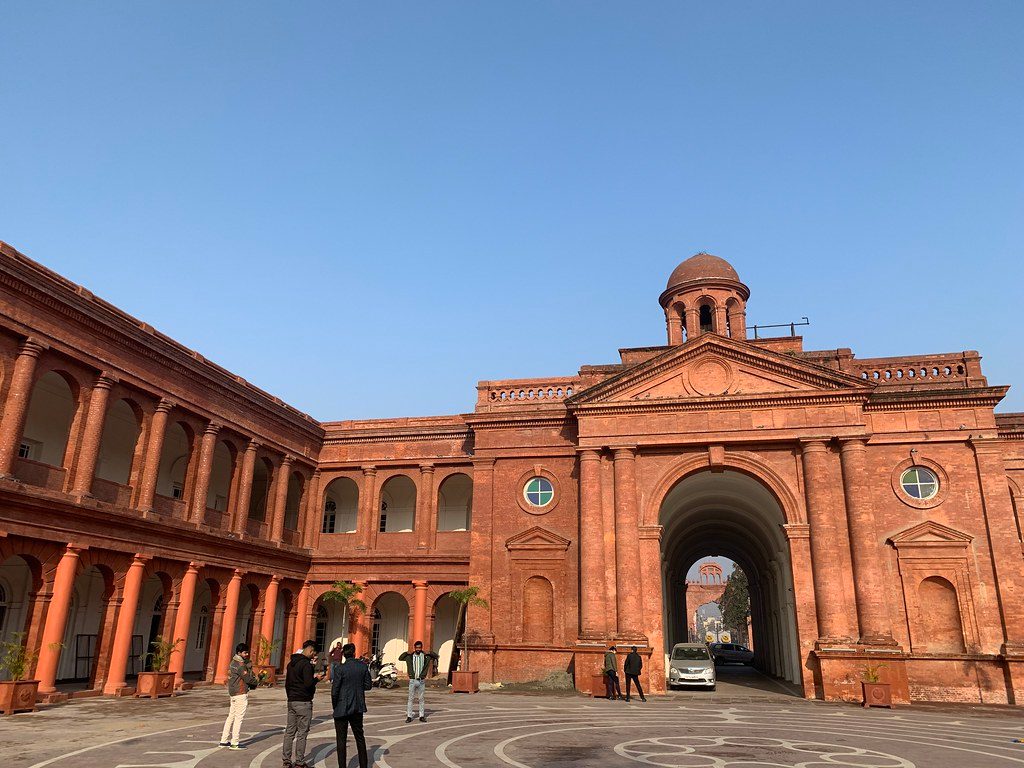
Housed in the colonial-era Town Hall, this museum documents the 1947 Partition of India through oral histories, photographs, and personal artifacts.
A Hindu temple with a silver-plated facade set beside a reflective lake, sometimes compared in style to the Golden Temple.
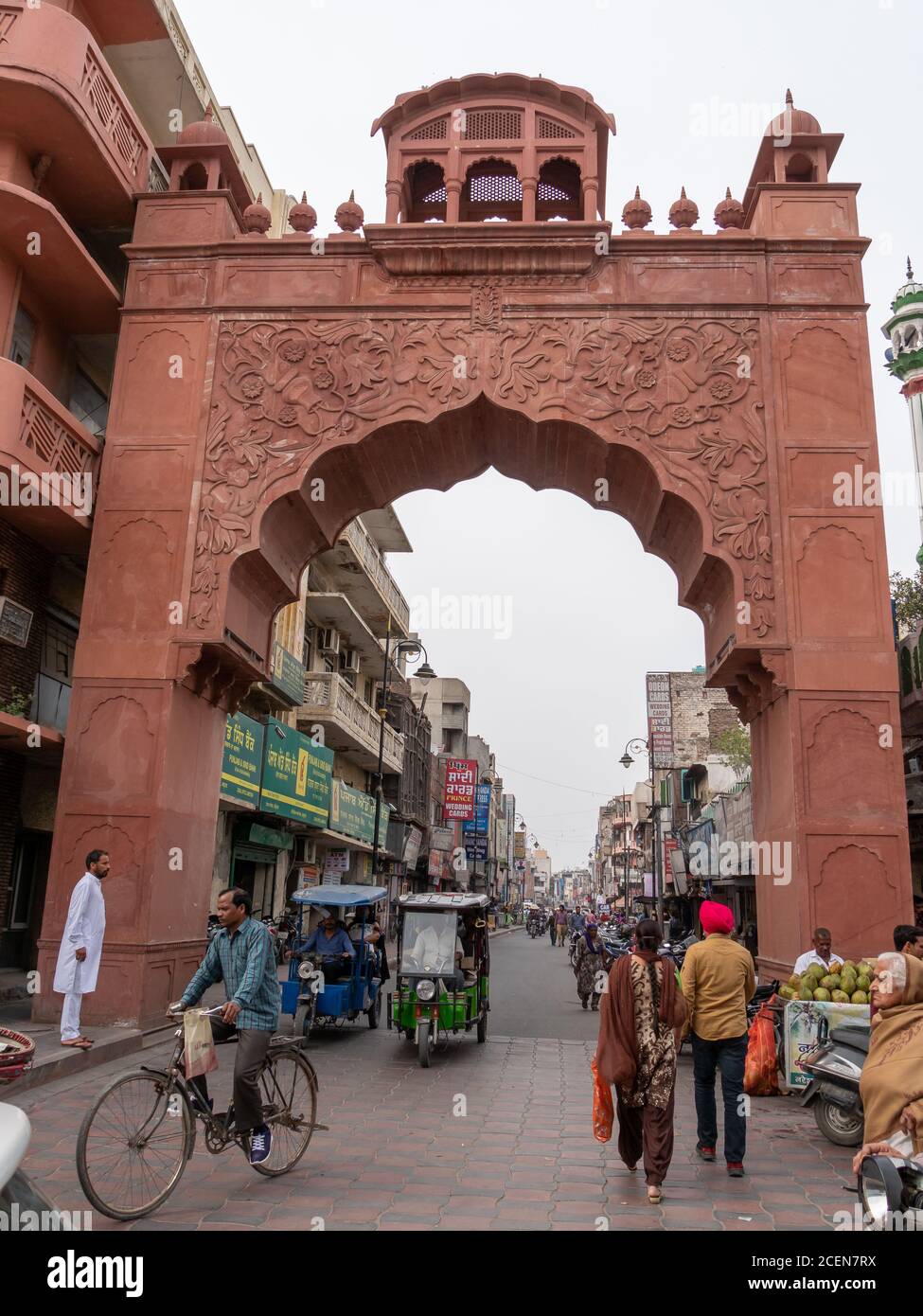
A busy market street near the Heritage Mile known for Punjabi juttis, phulkari embroidery, and street snacks.
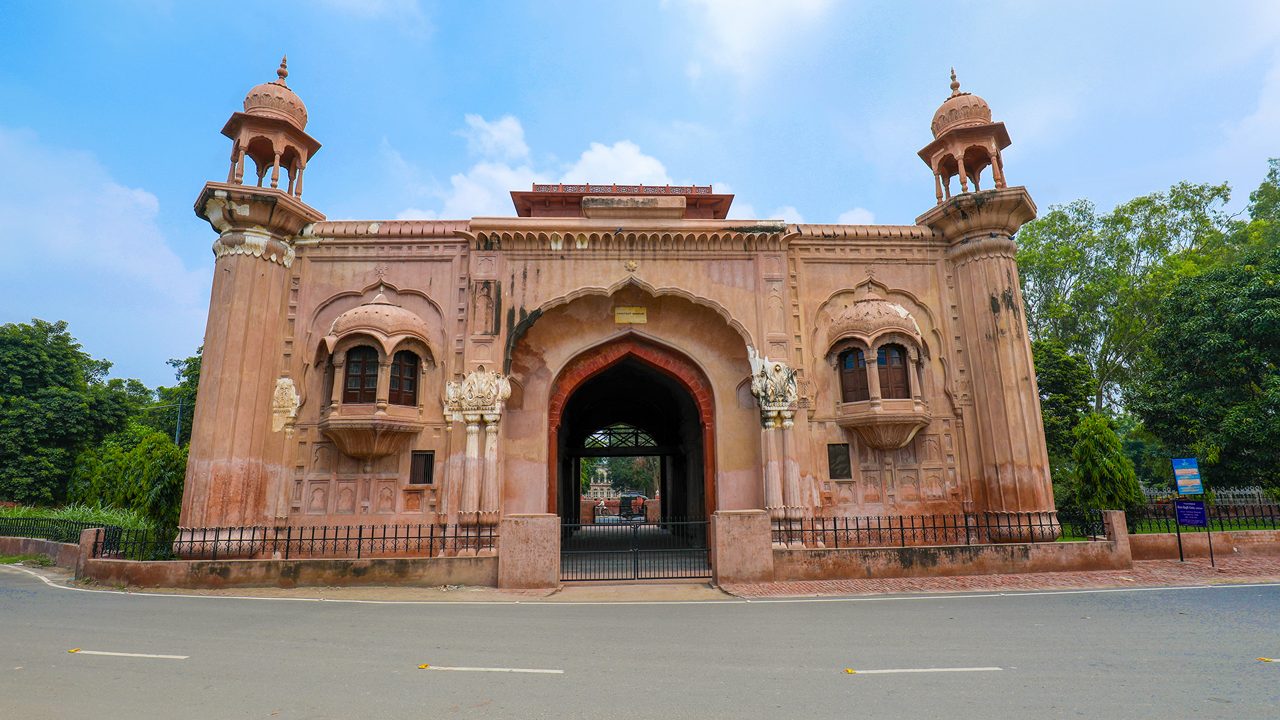
A landscaped garden built around Maharaja Ranjit Singh's former residence, with an adjoining museum on Sikh history.
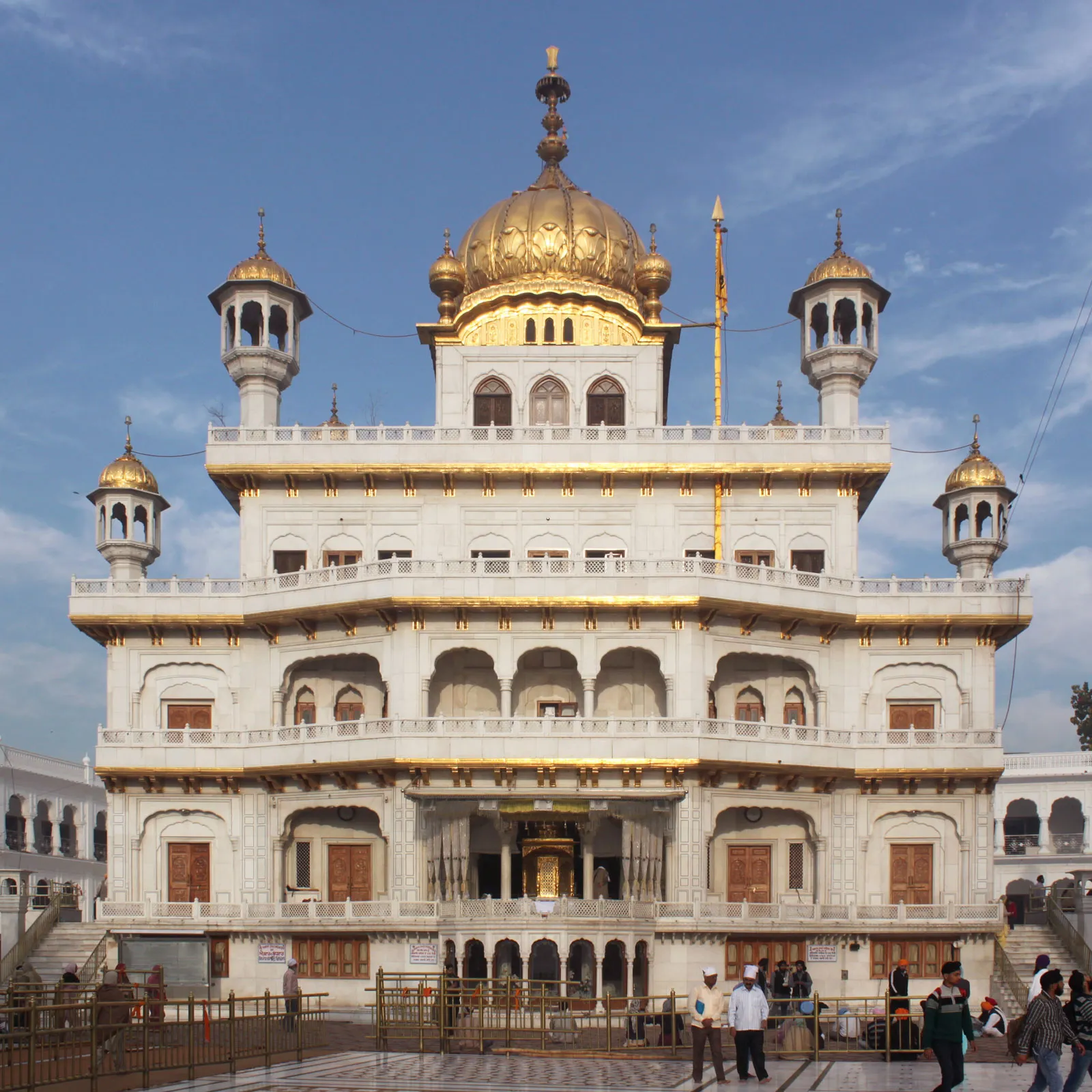
One of the five takhts of Sikh authority, standing directly within the Golden Temple complex.
Numerous guesthouses and hotels cluster around the Golden Temple and Jallianwala Bagh, convenient for early-morning temple visits.
Several mid-range hotels sit within a short walk of both the Golden Temple and Jallianwala Bagh, popular with pilgrims and history-focused travelers.
Restored haveli-style boutique properties in the old city offer a quieter alternative close to the memorial and market lanes.
Simple budget lodgings are common around Hall Bazaar and the railway station corridor, a short auto ride from the memorial.
Join thousands of happy travelers who have discovered this incredible experience
Book Your Experience Now